Casey Baumann · 24 October 2026
Uncovering Links Between River-Deposited Loam Layers and Biodiversity Hotspots in Estuarine Environments
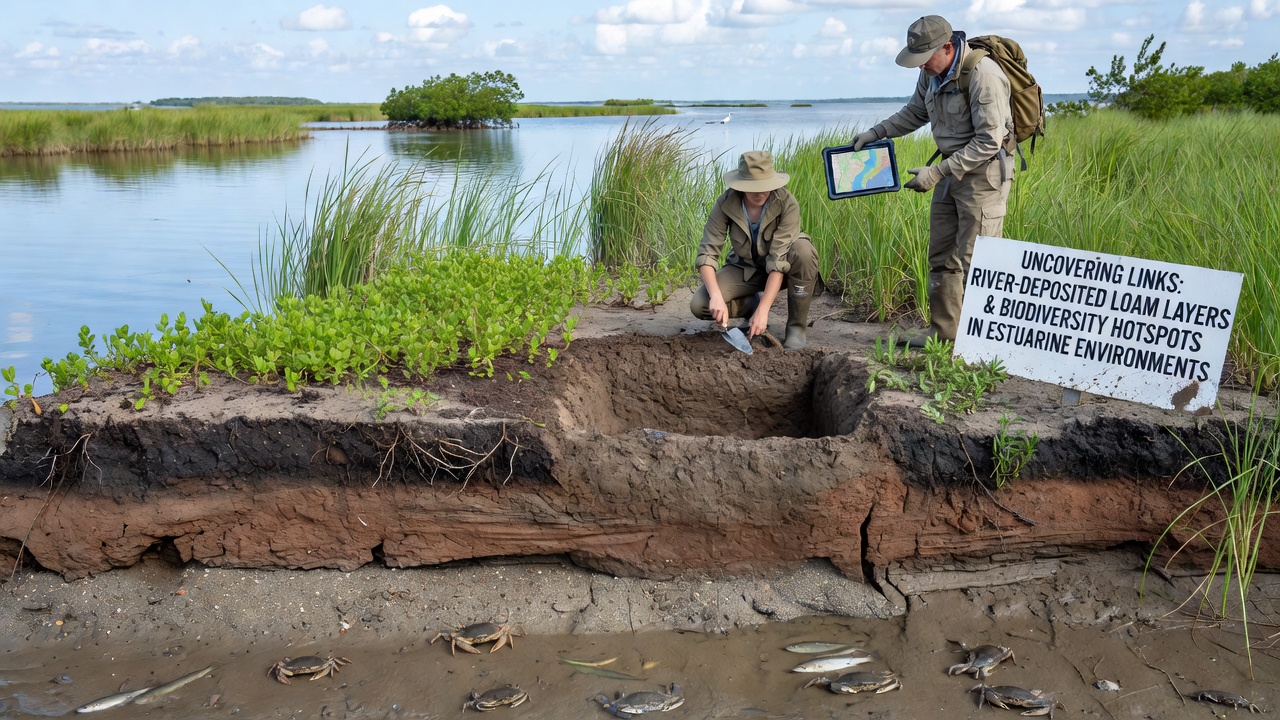
Estuarine zones where rivers meet the sea accumulate layers of loam through repeated flood cycles and tidal action, creating substrates that blend sand, silt, and clay in proportions that retain moisture and nutrients effectively. These deposits form over decades as upstream erosion feeds material downstream, and the resulting strata often coincide with areas scientists classify as biodiversity hotspots because of elevated species counts across multiple trophic levels. Data from sediment core samples collected in major river mouths show consistent patterns where loam thickness correlates with higher densities of benthic organisms, which in turn support fish populations and migratory birds.
Sediment Deposition Processes and Soil Characteristics
River systems transport loam particles during high-flow events, and upon reaching the brackish transition zone the reduced velocity allows settling that builds horizontal layers several meters thick in some locations. The physical structure of these layers, with their balanced particle sizes, promotes root penetration for vascular plants while maintaining anaerobic pockets that favor specialized microbes. Researchers have mapped these features in systems such as the Mississippi Delta and the Ganges-Brahmaputra estuary, where loam accumulation rates measured in millimeters per year align with zones of peak primary productivity. Chemical analyses reveal elevated levels of organic carbon and phosphorus bound within the loam matrix, providing a stable reservoir that sustains growth even when surface waters experience nutrient dilution from tidal exchange.
Habitat Formation and Species Interactions
Loam layers create microtopography that traps organic debris and forms depressions holding water during low tide, offering refugia for invertebrates and juvenile fish. Salt-marsh grasses and mangroves colonize these surfaces rapidly because the soil texture resists erosion better than pure sand, allowing plant communities to expand laterally and vertically. In turn, the root networks stabilize further sediment inputs, reinforcing the hotspot conditions. Field surveys conducted across temperate and tropical estuaries document greater numbers of mollusk and polychaete species per square meter in loam-rich patches compared with adjacent coarser sediments, while avian counts during migration seasons peak where these plant-invertebrate assemblages occur. The interplay between physical structure and biological response produces feedback loops documented in long-term monitoring programs.
Regional Case Examples and Measurement Data
Along the eastern seaboard of North America, estuary monitoring stations record that sites with loam deposits exceeding one meter in depth host up to forty percent more macrofaunal taxa than sites with thinner coverage. Similar patterns appear in the estuaries of northern Australia, where government surveys link loam accumulation zones to elevated seagrass bed extent and associated fish diversity. In October 2026, a multi-institutional data synthesis presented at an international coastal science meeting compiled core records spanning three decades and confirmed that loam layer continuity serves as a reliable predictor variable in models of species richness. These findings draw from coordinated sampling efforts that standardize depth profiles and biodiversity metrics across hemispheres, reducing regional bias in the overall dataset.
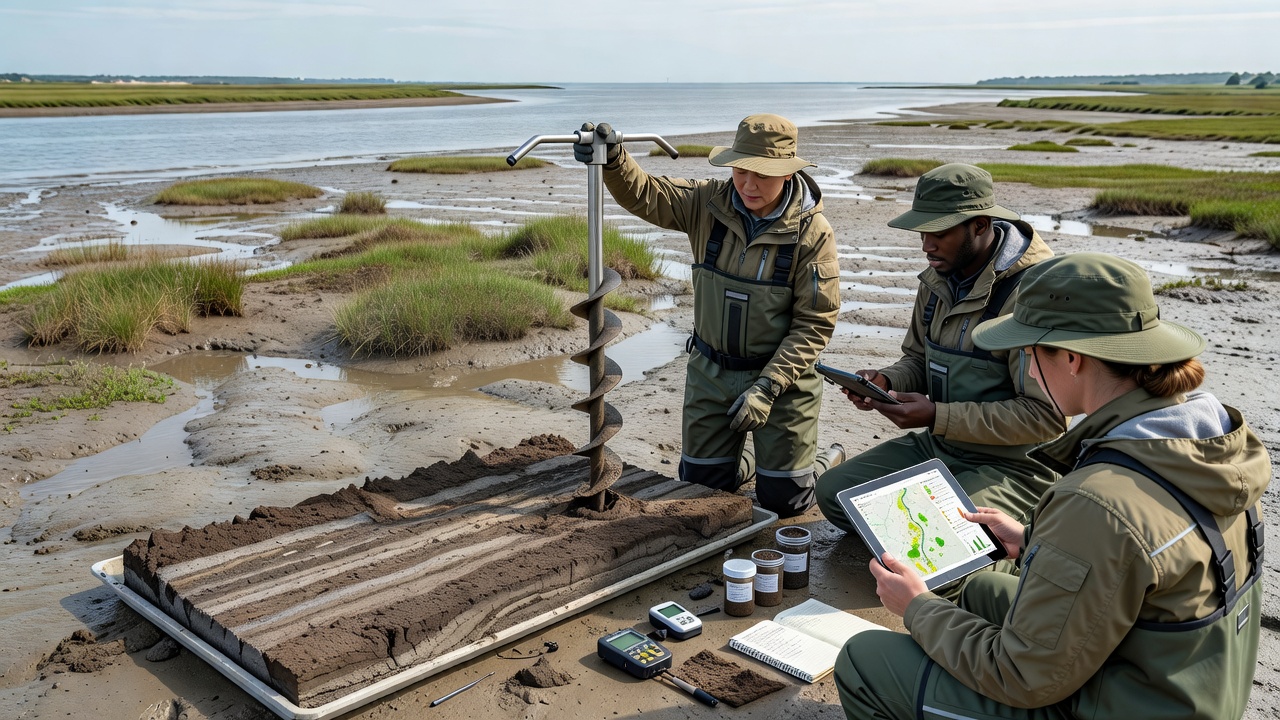
European monitoring networks operating under directives from the European Environment Agency have tracked comparable relationships in the Scheldt and Elbe estuaries, where restored sediment regimes have increased both loam deposition and recorded counts of wading bird species. Canadian studies in the Fraser River estuary further illustrate how engineered setbacks allow natural loam layering to resume, resulting in measurable rebounds in salmonid rearing habitat quality within five to seven years. Each dataset emphasizes that the physical properties of loam, rather than isolated chemical factors, underpin the observed biodiversity increases.
Environmental Variables Influencing the Relationship
Salinity gradients, tidal amplitude, and seasonal discharge volumes modulate how effectively loam layers translate into biodiversity gains. In microtidal settings the deposits remain more stable, permitting longer colonization periods for sessile organisms, whereas macrotidal regimes redistribute material and create shifting mosaics that still maintain high turnover diversity. Temperature regimes also interact with loam moisture retention, influencing decomposition rates and nutrient release timing. Models that incorporate these variables alongside loam thickness improve predictive accuracy for hotspot locations, as shown in peer-reviewed analyses published through academic consortia. Ongoing remote-sensing efforts now combine LiDAR elevation data wth soil spectroscopy to identify candidate loam patches without extensive ground sampling.
Conclusion
Observations across multiple continents establish that river-deposited loam layers function as foundational elements supporting elevated biodiversity in estuarine environments through their influence on soil stability, nutrient availability, and habitat heterogeneity. Continued integration of sedimentological records with ecological monitoring provides the quantitative basis for understanding these connections at scale.